Benefits you won't find elsewhere
Choosing one of our allergy tests means more than just fast results - it means getting real answers with expert support behind you.
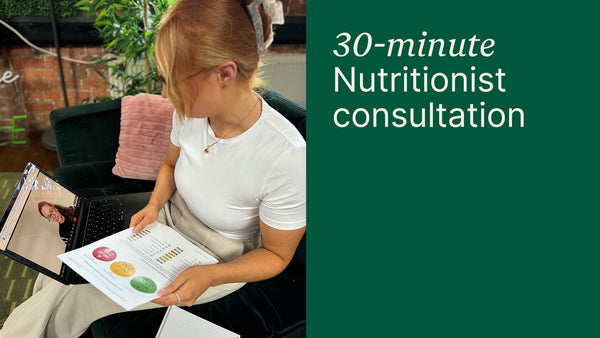
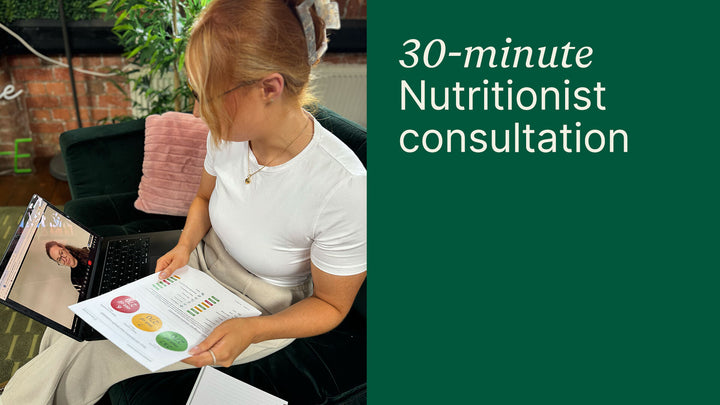
Every test includes unlimited access to our certified Nutritionists and GPs. Whether you’re unsure about your results or need guidance on your next steps, our team is here to help you make meaningful, lasting changes - not just interpret numbers on a page.
You won’t find this level of personalised, expert-led care included with most providers. But with us, it’s built into the service - because you deserve more than a test. You deserve a team who cares.
We’re here to help you connect the dots, take control, and finally feel confident in your body again.



 Accurate IgE testing at an ISO-accredited UK laboratory
 Fast results within 3 working days
 Finger prick blood sample
 Free shipping & sample returns
 Easy home testing
 Personalised 1:1 virtual consultation with a Nutritional Therapist